
Design at Preply
A conversation with Robin Bigio, VP of Design

In this article, I’m speaking with Robin Bigio, VP of Design at Preply. Robin spent five years at Faire, joining when the design team was just seven people and the company had fewer than a hundred employees. He left when the org had scaled to over eighty designers and fifteen hundred employees—a front-row seat to hypergrowth.
His time at Faire had three distinct chapters: first, establishing what design even meant at the company; then navigating hypergrowth, onboarding three to five designers a month while building employer brand; and finally, stabilisation—paying off the scaling debt and recalibrating culture. His role changed dramatically at least three times along the way.
In Robin’s words on why Preply, why now: “I needed a new kind of challenge. I first discovered Preply as a customer. I was looking for an Italian tutor for my kids. It made me feel like a good Italian dad again, and that emotional impact stayed with me. Six months later, a VP of Design opportunity landed in my inbox and it felt like the universe was nudging me.
The mission resonated deeply. I grew up multilingual, and I’m drawn to marketplace design—the trust dynamics, the motivation loops, the sense of progress. A thirty-person design org meant enough foundation to build on, but plenty left to shape. I also wanted to return to Europe after 16 years in San Francisco without losing momentum. Preply had this high-velocity, high-impact, low-politics energy. European base with an American startup mindset.“
My key takeaways from the article:
1. Separate the people manager from the craft guardian. Design managers who juggle people care and quality ownership do neither well. Splitting those roles, i.e., DMs owning people, Area Leads owning craft, creates clearer accountability and raises the bar on both.
2. Taste is harder to teach than product thinking. Frameworks, collaboration, and process can be coached. Creative instinct and visual sensibility are much harder to develop from scratch. Hire for the thing that can’t be taught.
3. Design checkpoints shift the power dynamic. In a world governed by metrics, designers are often on the back foot. Structured critique at the Scope, Concept, and Craft stages doesn’t just improve the work, it gives design a seat at the table before decisions are already made.
Inside the Preply Design Team

1. The industry is talking a lot about taste and craft right now. You’ve been at Preply for a little over a year — how do you think about craft as a design leader?
Preply is a deeply emotional product. For many of our learners, language isn’t just a skill — it’s a new chapter. Belonging, opportunity, identity. And on the other side, tutors are building meaningful careers teaching from anywhere in the world. I think of the Italian tutor who connected with my kids' heritage, livelihood, and connection, all wrapped into one relationship.
When the product serves something this personal, the design has to meet the moment. Craft isn’t a nice-to-have — it’s how the product earns trust.
So yes, the industry is having this conversation about taste, and I think it’s the right one. But for us it’s less of a trend and more of a necessity. We’re building something where the quality of the experience directly shapes whether someone believes they can learn. That’s a high bar, and it should be.
I’ve also found that it’s easier to teach someone product thinking than taste. You can coach someone on frameworks, collaboration, and processes. Creative instinct, visual sensibility, an eye for emotion in interaction — that’s harder to develop from scratch. So we’ve leaned into craft as a core value, not just an aspiration.
2. How have you set up the team to support that?
I didn’t want to run the same playbook from Faire. So we’ve had a year of learning, experimentation, and recalibration.
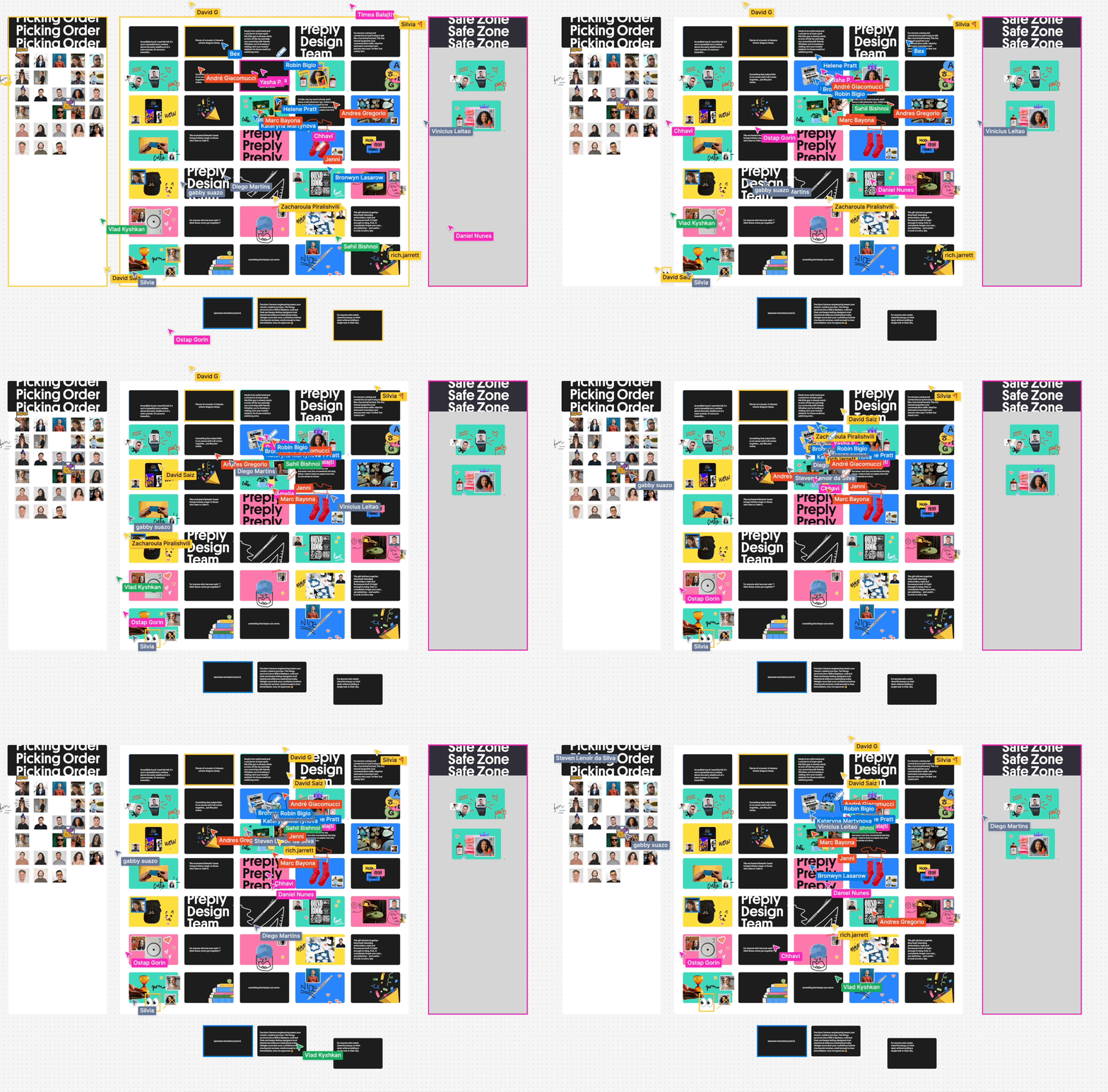
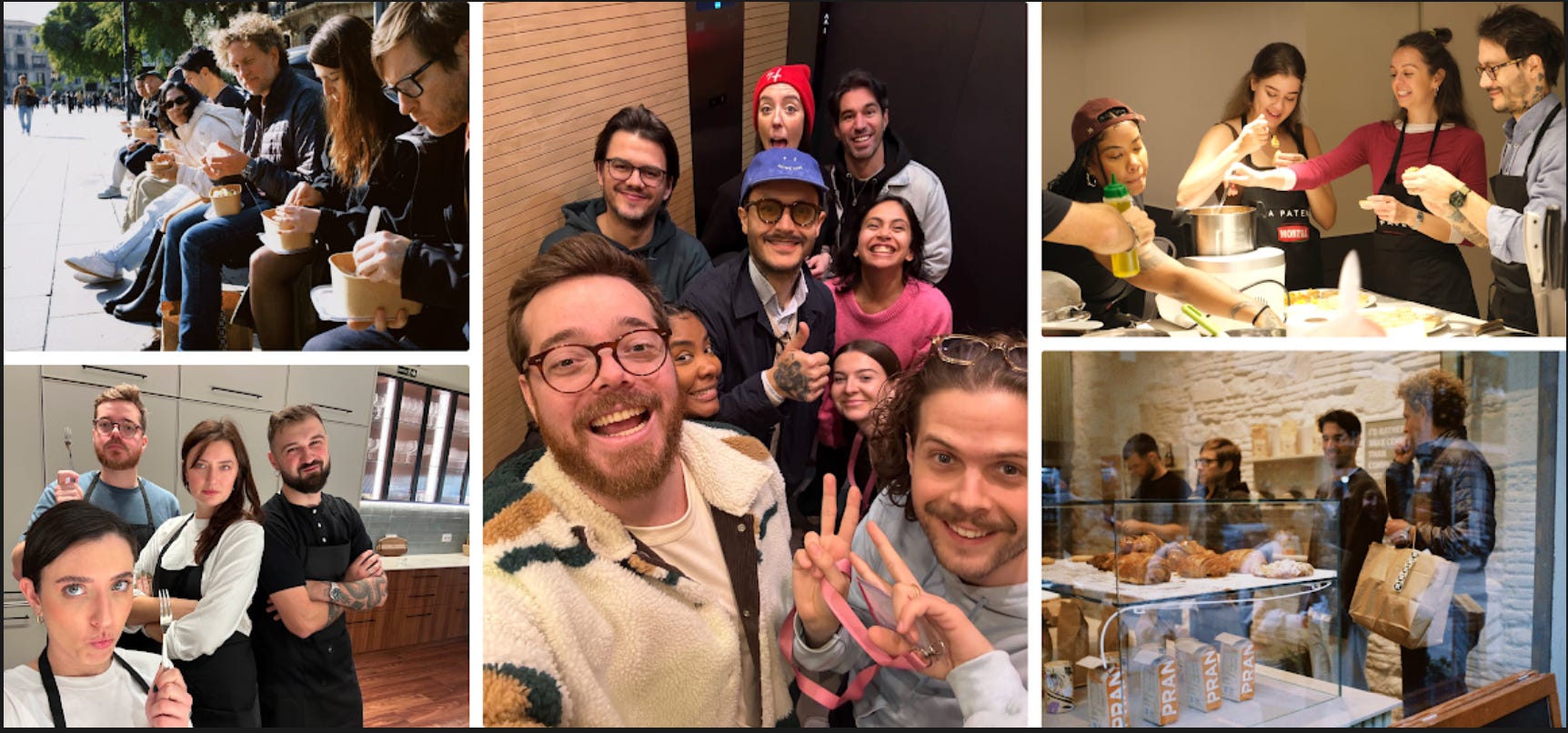
We’re about 35 people across product design and research, with hubs in Barcelona and London plus a distributed presence. Five tribes: Marketplace, Learning, Retention, Tutor Experience, and B2B. Research partners more heavily with PMs — roughly seventy percent of their time — while the remaining thirty percent is embedded with designers.
But the more interesting structural choice has been how we’ve split design leadership. Traditionally, design managers juggle two jobs that don’t sit well together — caring for people while also obsessing over craft. We’ve experimented with separating those. Design Managers own people, staffing, hiring, and planning. Area Leads — typically at Staff-to-Principal level — own product quality and coherence. The result has been clearer ownership and more depth in both directions. People managers can actually focus on growing their reports and operational issues, and Area Leads can go deep on the work without context-switching into performance reviews.
“Design Managers own people, staffing, hiring, and planning. Area Leads — typically at Staff-to-Principal level — own product quality and coherence.”
After almost 20 years of leading designers, I haven’t found anything better to keep the craft bar high then just looking at work, old fashioned design critiques to me are still the best (and only) way to do this. With that in mind we introduced ‘design checkpoints’ at three stages: Scope, Concept, and Craft. Designers bring work, their PM and we just discuss and debate. Besides the work coming out stronger, it also tilts the scales in favor of the designer for once (especially in a world governed by metrics).
An incredible additional benefit has been that checkpoints have helped me build deep product understanding (since I see 90% of everything that ships), and helped me form real relationships with the every designer and PM on the team..
“With that in mind we introduced ‘design checkpoints’ at three stages: Scope, Concept, and Craft. Designers bring work, their PM and we just discuss and debate. Besides the work coming out stronger, it also tilts the scales in favor of the designer for once (especially in a world governed by metrics).”
3. What role does hiring play in all of this? Who are you focused on bringing in?
A big one. We spent six months calibrating before making hires. Our early team skewed slightly too junior — partly due to how European companies level differently. We’ve since shifted toward more senior, self-propelled designers.
In an embedded model, designers need to hold their own. They’re in the room making calls alongside PMs and engineers, and they need the judgment and confidence to match.
We’ve also started looking beyond the typical in-house product design resume. Agency backgrounds, branding, creative work — Europe has incredible creative talent. What’s been missing, I think, is tech companies with enough design maturity to absorb it. We’re trying to be that place.
We move fast here — around seven hundred experiments a year. So we hire for autonomy, judgment, craft, creative range, and velocity. It’s easier to slow down a fast designer than speed up a slow one. That’s not for everyone. If you expect a perfect process or large support systems from day one, it’ll feel rough. Our design system team is small. We’re still building. But for the right person, that’s exactly the appeal.
The interview process reflects what we value: a portfolio review, a one-hour wireframing challenge, then sessions on collaboration and autonomy. We use the same rubric as our internal performance reviews — what we hire for is what we grow people toward.
4. Any advice for designers putting together their portfolios?
This is something I feel strongly about. Modern case studies have started to read like Harvard Business Review articles. All strategy, all narrative, very polished — but the actual design is missing. The decisions, the options explored, the divergence. I want to see the forks in the road.
Show me the moment where you had three directions and explain why you picked one. Show me the sketch that didn’t make it and what you learned from it. That’s where craft lives — not in the final deliverable, but in the thinking and taste that got you there.
I wrote a longer piece on this — on bringing back craft in portfolios — if you want to dig deeper.
5. One of the harder parts is helping the business understand the value of craft. How do you approach that?
This is something I think about a lot. Quality isn’t just a design mandate here — it’s a company-wide expectation. But that doesn’t mean it’s automatic. You have to keep making the case, and the best way I’ve found is to make it visible and tie it to things people already care about.
We don’t use a separate design scoreboard. Design is integrated into product, and our impact is tied to the same metrics everyone else cares about — activation, conversion, retention. I’ve never seen a design-specific framework that actually changed how we ran the org. So we’ve avoided vanity metrics.
But not everything is incremental optimization. I think about our work as roughly seventy-thirty. Seventy percent is the engine — iterative experiments, testing, learning. Thirty percent is where design leads something new: influences strategy, introduces a direction that didn’t exist before, changes the conversation. That thirty percent is where we invest disproportionate energy and where craft really shines.
We run Crafty Corner — a monthly showcase of the best design moments, shared company-wide. It leans into a simple idea: people remember the most impactful things. Celebrate those consistently, and the bar keeps moving for everyone, not just designers.

We are also working on shared principles — a canonical framework for what product quality means at Preply. It grounds critique in shared language rather than personal taste. And for all new hires at the company, we’re building an onboarding session called “What is Product Quality at Preply?”. Because in the end, it takes a village.
And ultimately, it comes back to the product itself. Preply is an emotional product. Learners are trusting us with something vulnerable — the feeling of not knowing a language, of starting over in a new country, of wanting to belong somewhere. When the design is thoughtful, people feel that. When it’s not, they feel that too. That’s the argument that resonates beyond design: craft isn’t decoration, it’s how we show up for the people we serve.
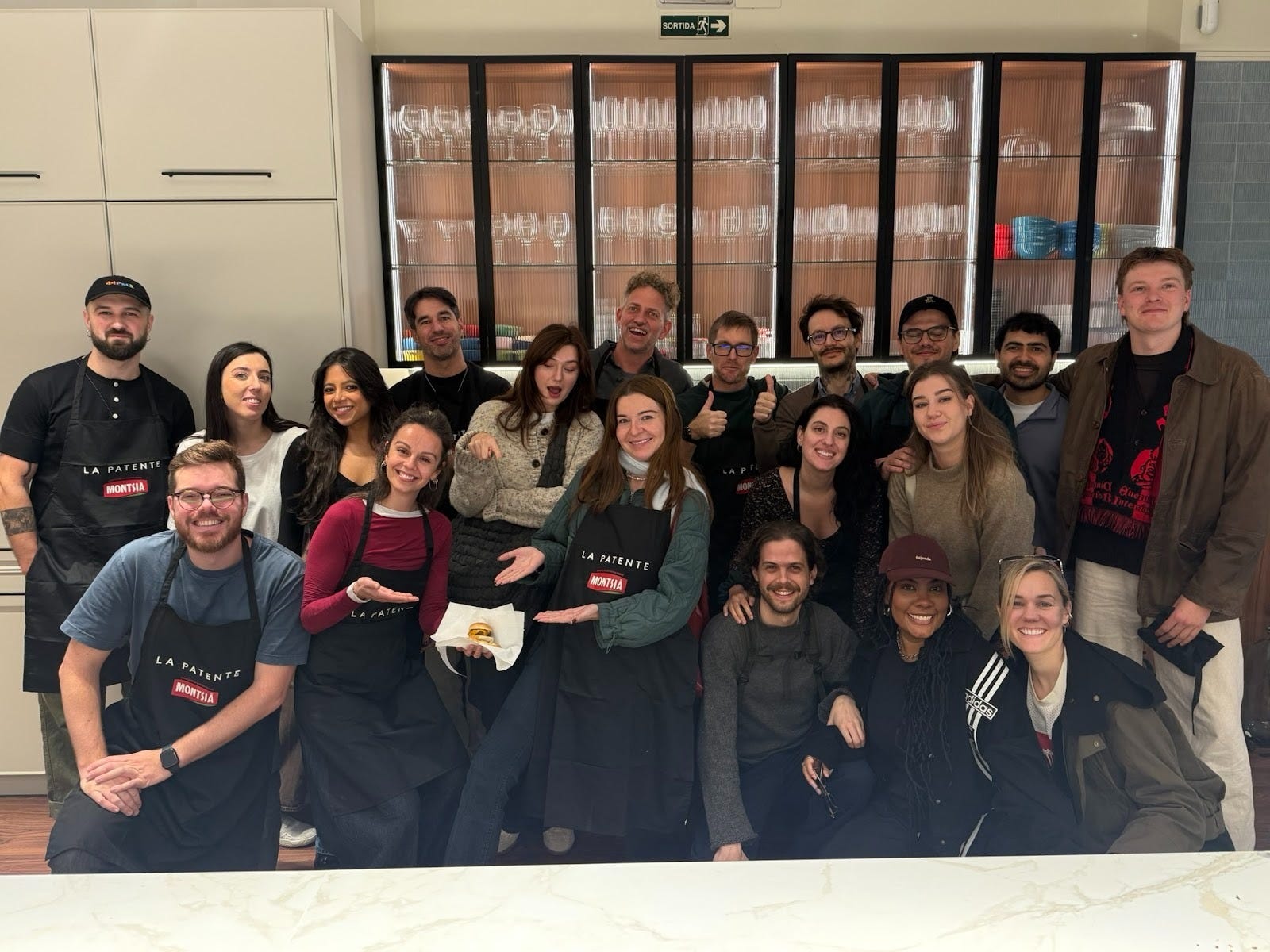
If any of this resonates — whether you’re building a design team, thinking about joining one, or just figuring out what good design culture looks like — would love to hear from you.
Senior Product Designer (Barcelona, London or Kyiv)
Staff Product Designer (Barcelona, London, Kyiv)
Great article as always! Would love to know how the three different crit variants differ. Does he run them any differently, are they ad-hoc or there's a dedicated slot for it in the week? Do designers also join in or do they have a separate crit where there's less stakeholders? Thanks