
Design is NOT dead
The role of designers inside companies is as important as ever.


These “Design is dead” and “Designers are cooked” posts are absurd.
In my humble opinion, the role of designers inside companies is as important as ever.
When everyone can create visuals with ease, the taste, craft and judgement are clearly vital. The future is bright for design in my opinion. As proven by the recent AI in Design report from Designer Fund.
Ignore these posts. They serve no purpose. They are clickbait.
I came across posts from Peter Marc who simply speaks sense. He’s a smart designer who has embraced the AI era, so I thought it would be fab for us to collaborate on an article to bring some clarity to the clickbait posts people are making.
TL;DR of article:
How the role of a designer has changed over the last 5 years
Why designers are losing confidence and feeling burnt out.
There is not an equal demand for designers
How designers can best position themselves in this market
Let’s get into it.
Q1: How has the role of a designer changed over the last 5 years?
Five years ago, the job was mostly execution. You owned Figma. You handed off specs. Someone else built the thing. That pipeline felt stable, even when it was slow and wasteful.
What’s changed: the pipeline broke. And designers who built their entire value proposition around being the middle person are in trouble.
The expectations for designers now vary widely depending on the company. At companies moving fast on AI (Anthropic, Notion, Linear), a designer is expected to think in systems, move into code, run their own research, and ship. Not hand off to be shipped. Actually ship. That is a completely different job.
At companies that are not moving fast, and there are a lot of them, a designer is still being asked to make screens pretty and present them in review meetings. The gap between those two worlds is getting wider every month.
The AI-native shift is not about using AI tools. It’s about changing how you see your role. Are you the person who makes the thing look good? Or are you the person who figures out what the right thing even is? AI can do a lot of the first. It cannot do the second. But you have to decide which person you are.
I left my last client because they wanted the first person and were paying for the second. That’s not a sustainable situation for either side.
Designers who can use Claude Code or Cursor to build functional prototypes are not replacing engineers. They’re collapsing the feedback loop. A prototype that behaves like the real product reveals problems that a Figma file never will. That capability is now table stakes at the companies worth working at.
The expectation now: know Figma, understand what you’re designing at a systems level, be able to prototype it in something closer to code, defend your decisions with data, and know when the brief is wrong.
Q2: Designers are losing confidence and feeling burnt out. Why?
I don’t think this is new. I think it’s newly visible.
Designers have been undervalued for a decade. AI didn’t create that situation. It made it undeniable.
Here’s what actually happened: the industry quietly moved to smaller design teams over the last three years. Layoffs hit, budgets tightened, and suddenly, one designer is covering what used to be a team of four or five. No design director. No design reviews. No one to push back on bad briefs. You’re solo, shipping, guessing whether it’s good.
When you don’t have feedback loops, you stop improving. And when you stop improving, you lose confidence. Not because you got worse. Because the environment that made you better got dismantled.
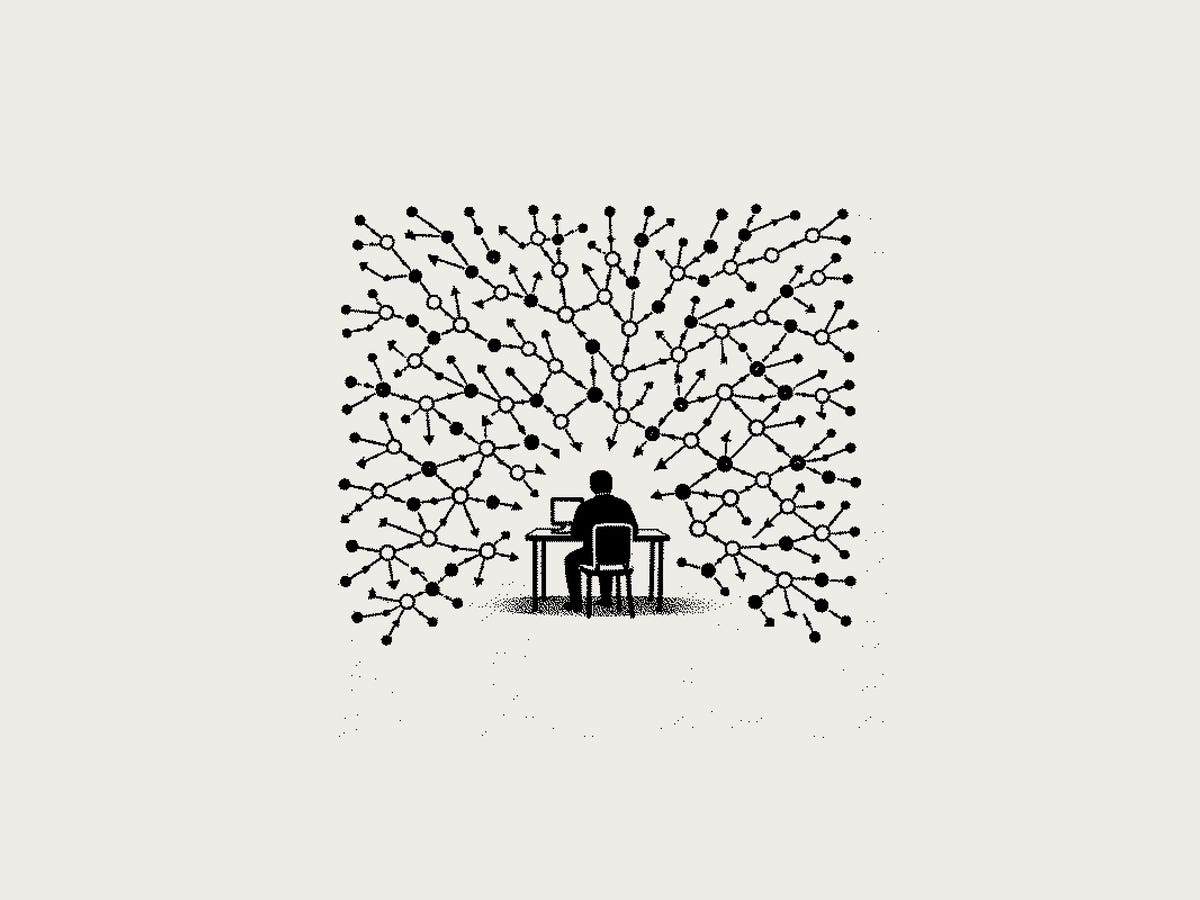
Half the burnout isn’t the work. It’s making 200 decisions alone.
That’s the real problem. It’s not that the job is hard. It’s that the support structure for doing hard creative work got stripped away in the name of efficiency. And now designers are in their heads about whether they’re good enough, when the real question is whether the system they’re working in is set up for anyone to succeed.
The AI layer has made this worse in one specific way: designers are now comparing their work to AI output constantly. Claude generates a competent UI in seconds. Midjourney makes a decent visual. And instead of using that as a baseline to exceed, a lot of designers are internalizing it as evidence that they’re replaceable.
They’re not. But that reframe takes clarity that’s hard to get when you’re exhausted and working alone.
My advice for getting the confidence back: write about your decisions. Not for a portfolio. For yourself. What did you choose? What did you almost choose? Why? Writing forces clarity that thinking alone does not. And clarity is the foundation of confidence.
Q3: Do you see a rise in demand for designers?
Yes. But not for all designers equally.
Anthropic is expanding their design team. Every product group needs human designers. That is a company whose entire product is an AI. They are not replacing designers with AI. They are hiring more designers because AI raises the stakes for the quality of judgment in the room.
What they need is specific: designers who can form and defend a position when the AI output is technically polished but fundamentally wrong. That’s a rare skill. Most designers have been trained to take briefs and execute them, not to challenge outputs and articulate why they’re wrong.
The parts of the job being compressed: UI production, screen generation, handoff prep. They were never really the point. We let them become the center of the job because they were measurable and billable. They looked like output.
What AI cannot compress: real user understanding. The messy conversations. The moment you realize the brief is wrong. The judgment call about what to ship and what to kill. That has always been the job. We just buried it under deliverables.
So: demand is rising for designers whose value lives in research, synthesis, and decision-making. Demand is falling for designers whose value lived in execution speed.
If you’re in the second group right now, that’s not a death sentence. It’s a brief. What does the transition actually look like? That’s what the next few years will answer.
Q4: How can designers best position themselves?
Get on GitHub
Not to become a developer. To show that you build things, not just describe them.
I built mine with Claude Code specifically to demonstrate what a design engineer looks like in practice. Not a portfolio of Figma screens. Actual commits. Actual code. Something a hiring manager or a technical founder can open and read. Most designers don’t have this. That gap is an opportunity right now.
What’s not ready: most companies. A lot of enterprise and mid-size orgs still aren’t. But the companies that are ready are the ones worth working at. And they’re hiring for exactly this. A GitHub profile is how you get in the door.
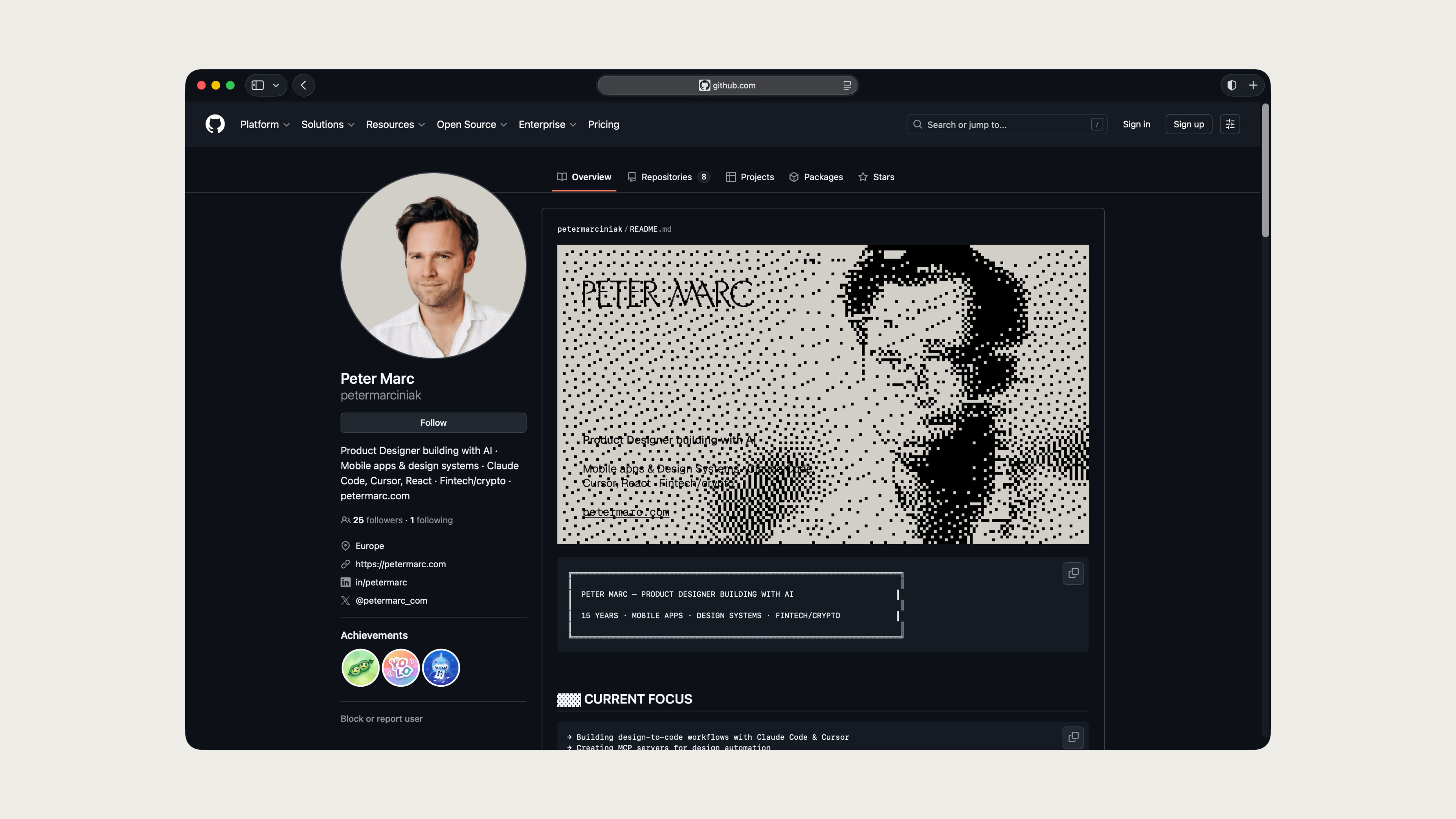
Link to my Github: https://github.com/petermarciniak
Build your portfolio in public
I rebuilt mine from scratch using Claude Code. The goal wasn’t to make it beautiful. It was to make it feel like it was made by someone who knows how things work. There’s a difference between a portfolio that showcases work and a portfolio that demonstrates capability. You want the second one.
A designer who can ship their own site is not the same as a designer who uses a tool to approximate it.
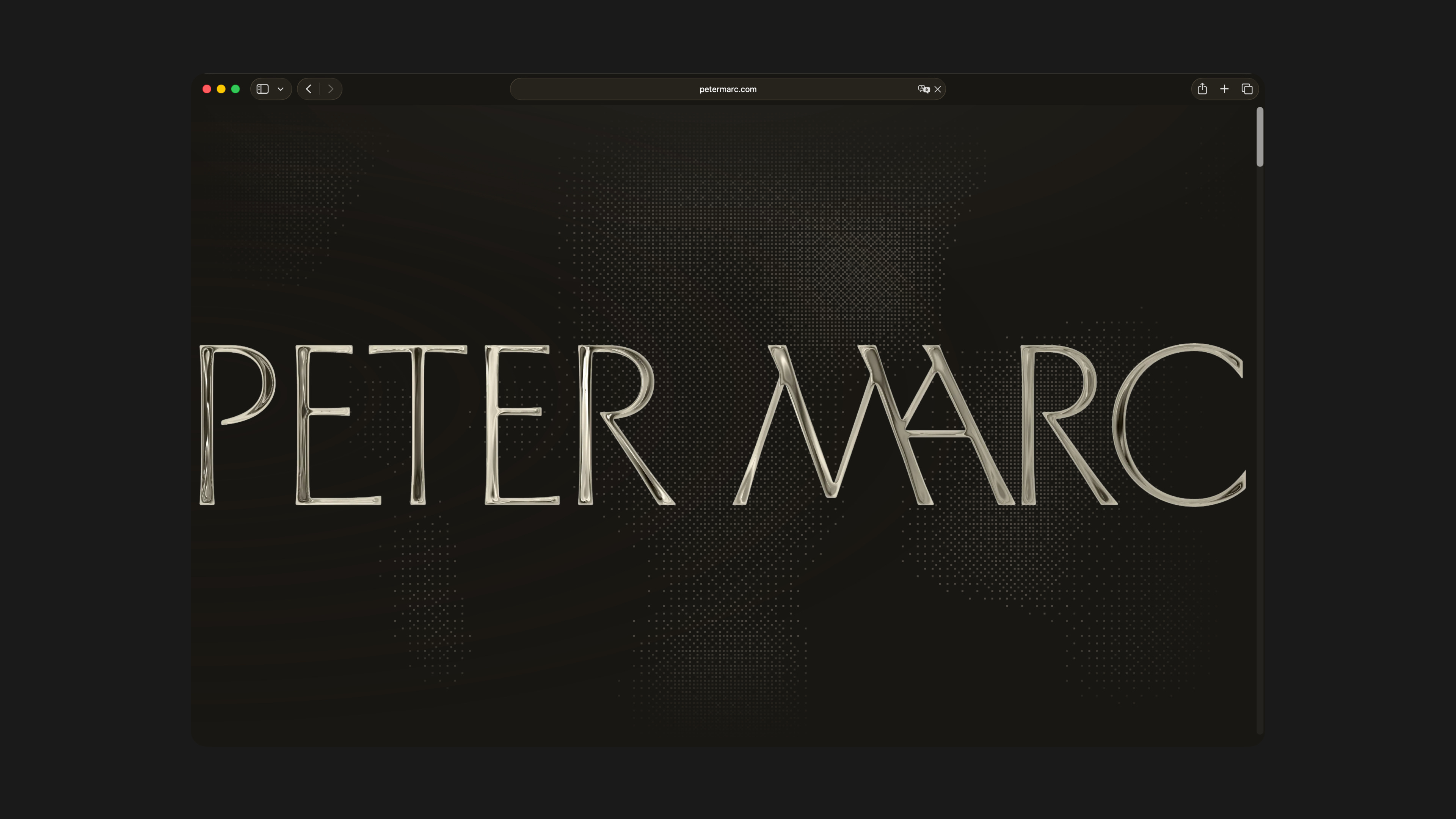
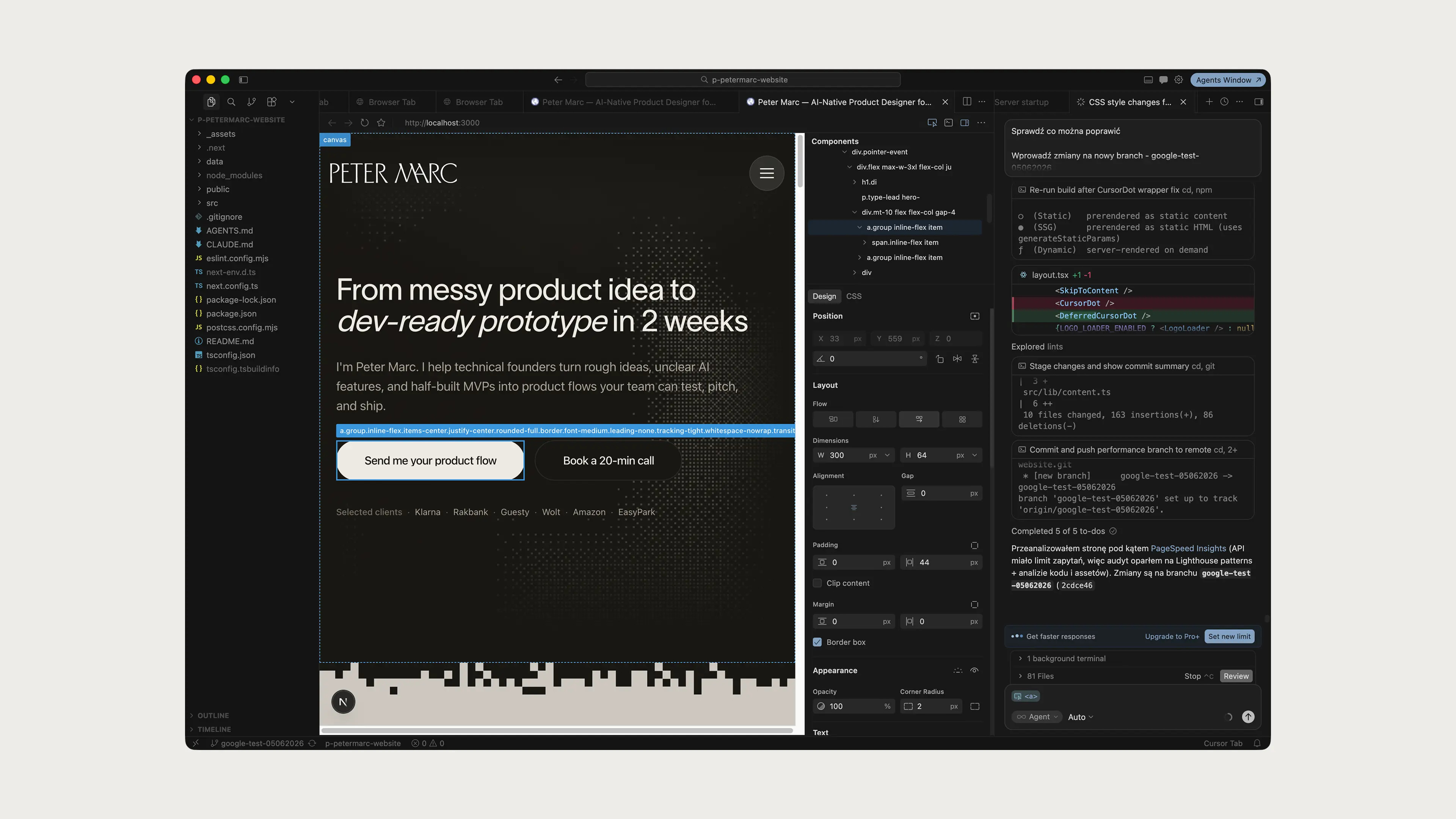
Full case study: https://petermarc.com/portfolio/petermarc-website
Be more technical
This doesn’t mean learn to code from scratch. It means understand enough to be dangerous. Can you read a component’s props? Can you write a prompt that produces a usable prototype? Can you explain the difference between how something looks in Figma and how it will behave in production? Designers who can do this close the gap between design and engineering in a way that makes them indispensable.
Write publicly
LinkedIn is a legitimate distribution channel right now. I post every weekday. Some posts die. Some hit thousands of impressions. What I’ve noticed: the posts that do well are the ones where I take a clear position on something the industry is confused about. Not tips. Not “here are 7 things.” A point of view. That’s what builds an audience worth having.
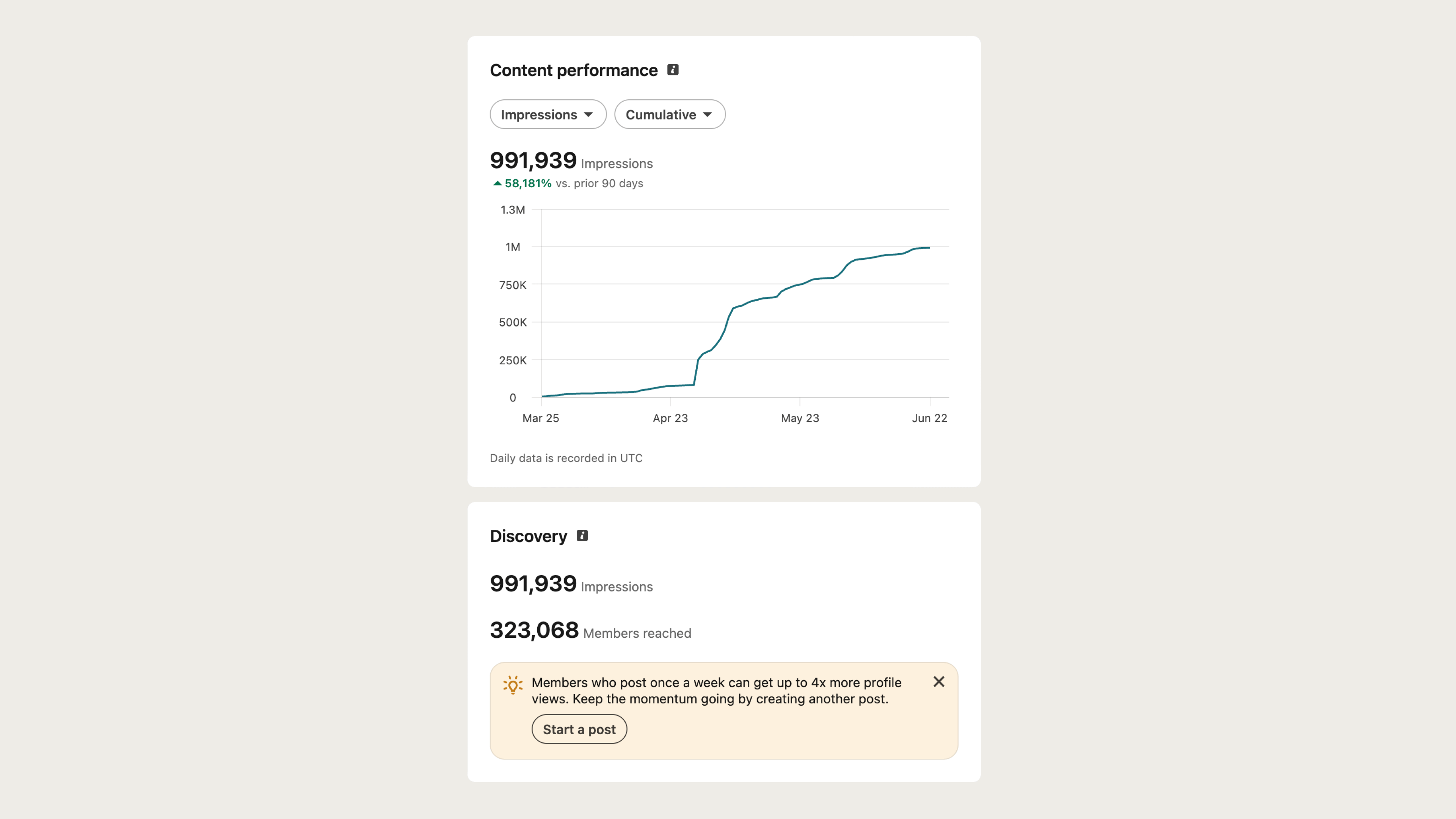
I don’t track this in a spreadsheet. But the signal is hard to miss.
Recruiter outreach has multiplied. People write to me, often senior people, to say something I posted changed how they’re thinking about their career. This collaboration with Tom is a direct result of writing publicly. An author reached out asking for my input on a chapter of his upcoming book. Podcast invitations have started arriving regularly. I’ve had to decline most of them, two young kids at home makes that an easy call, but they arrive. That’s the point.
None of it was happening before. Now it is. And the audience I’ve built is also why I’m able to work on my own products: three ebooks in development, tools built specifically for designers navigating this shift. The writing is not separate from the work. It is the work.
Work with AI, not just use it
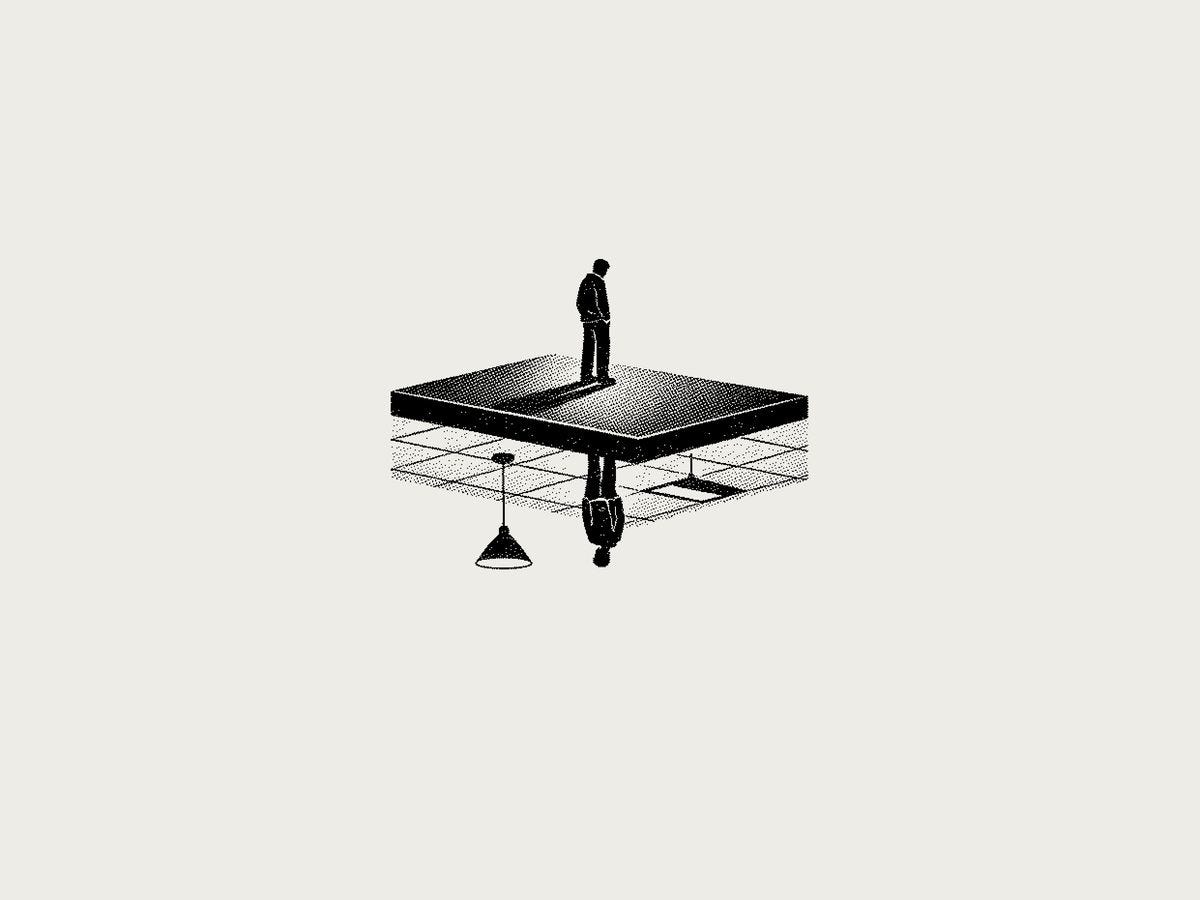
There’s a difference. Using AI: you prompt it, you get an output, you use it or don’t. Working with AI: you treat it as a sparring partner. You reject its first answer. You push back. You use it to pressure-test your thinking, not replace it. Designers who have that relationship with AI are faster and sharper. Designers who outsource their thinking to it are building a dependency that will hurt them.
Most designers I talk to still treat AI like a vending machine. Type prompt. Get pixel. Repeat. It feels efficient. It is actually building a ceiling.
I noticed this in my own work early on. The AI output was sharper than my baseline. It felt like cheating. I started calling it phantom competency. But after a few months something shifted: my instincts caught up. I started understanding why certain decisions worked, not just that they did. The phantom level became the real baseline. The ceiling became the floor. That is the dynamic you want. (I wrote about this here)
I stopped writing UX research reports manually.
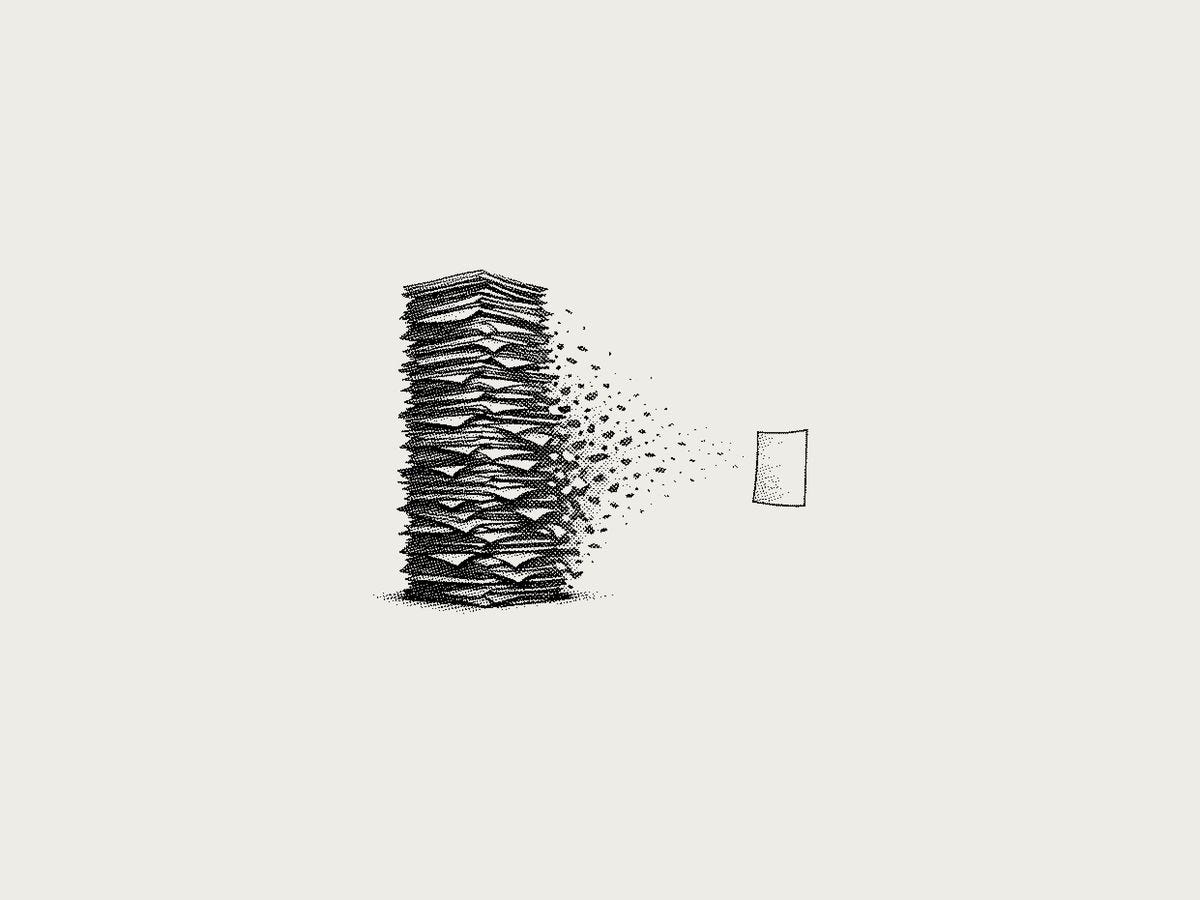
Last month I had 47 pages of interview transcripts and three stakeholders waiting by end of day. Old me would have spent 4 hours tagging and writing. Instead I put the transcripts into Claude Code with one instruction: extract the top 5 pain points, rank by frequency, one direct quote per point. Twelve minutes. What made it work is not the prompt. It is knowing exactly what output shape stakeholders actually need, and being experienced enough to catch when the AI misses something. Claude caught a pattern across three interviews that I missed completely. But I am the one who knew to look. (Full post here)
The trap is optimizing for execution speed.
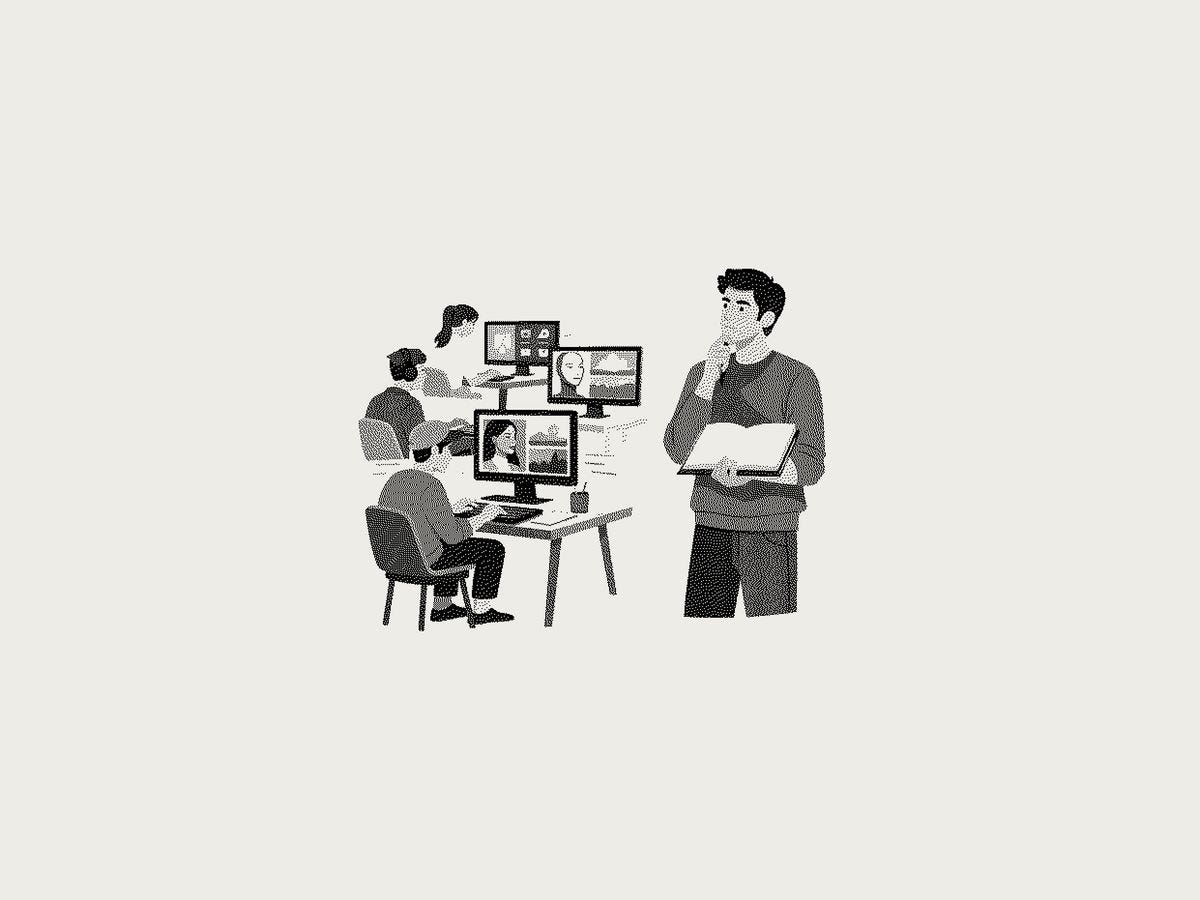
Designers who move fast with AI but cannot tell when the output is wrong are not more capable. They are more exposed. Speed is a side effect of good judgment. When it becomes the goal, you stop building the thing that actually makes you worth hiring. (Wrote about that here)
What the sparring partner model actually looks like day to day: you prompt, you get a draft, you interrogate it. What did it get wrong? What would a user hate about this for a reason that isn’t obvious yet? What is the version of this that fails quietly six months from now? Those questions are where the real design work happens. The AI does not do that work. You do. The AI just makes the starting point cheap enough that you can afford to throw it out and start again.
What would you add to this?
 | A guest post by
|
Appreciate you putting this together, Tom.
The ragebait posts get shares because they're easy to nod along to without any stakes attached. The real shift is quieter: taste and judgement used to be assumed, now they're the actual differentiator once everyone has the same tools. Companies moving fast on AI aren't cutting designers, they're raising the bar for what a designer needs to defend.
Funny enough, I run a Substack called "Design is Dead" too. Different angle though, mine uses the title as a hook to make the same argument you're making here: the death is of the old execution-only role, not the discipline itself.
Good excuse to finally write down what's been sitting in my notes for months.